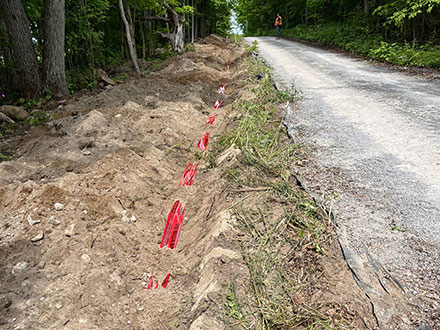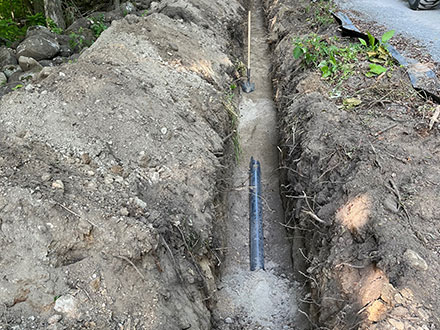
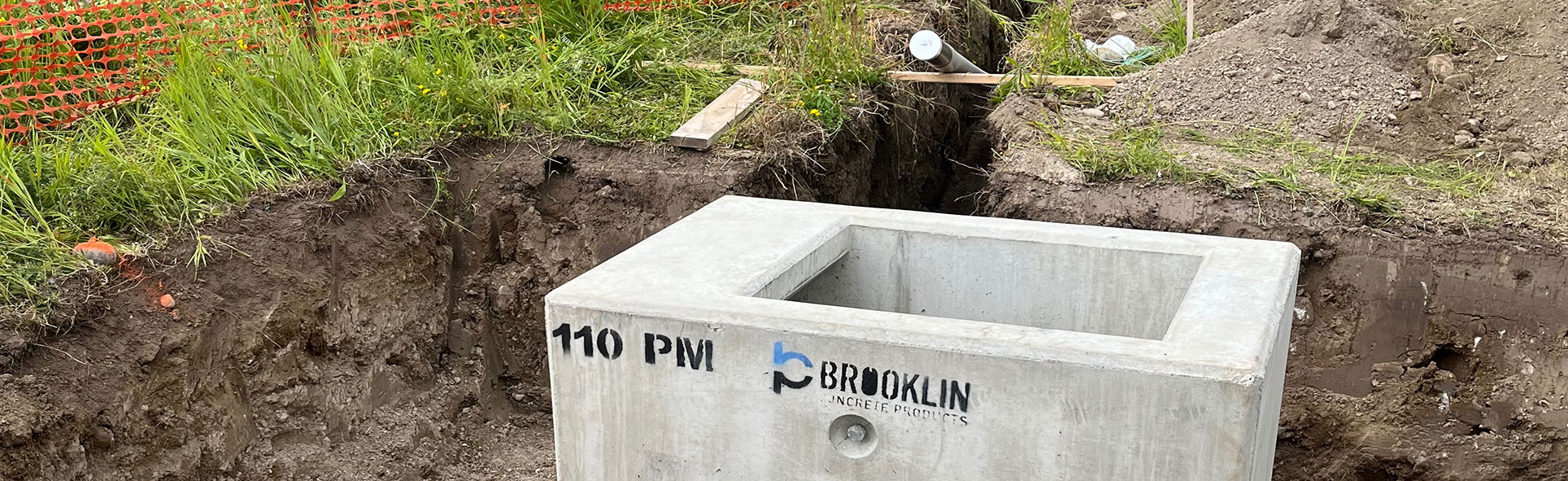
Underground utility excavation is the process of digging into the ground to install, repair, or expose buried infrastructure like water pipes, gas lines, electrical cables, and telecommunications systems.
What it involves
At its core, underground utility excavation is about safely accessing systems that are hidden below the surface. These utilities can include:
- Water and sewer pipelines
- Natural gas lines
- Electrical power cables
- Fiber-optic and telecom lines
Why it’s done
Common reasons include:
- New installation (e.g., hydro, sewer, septic or water service)
- Repairs (fixing leaks, breaks, or faults)
- Upgrades (replacing old infrastructure with modern systems)
- Inspection (locating and assessing buried utilities)
Methods used
There are a few main techniques:
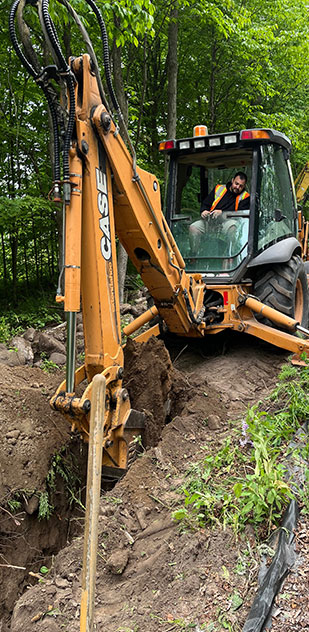
- Traditional excavation (mechanical digging)
Uses backhoes or excavators to dig trenches. - Hydrovac excavation (vacuum excavation)
Uses pressurized water to loosen soil and a vacuum to remove it. - Much safer around existing utilities
Safety considerations
This work is high-risk because hitting a buried line can cause:
- Power outages
- Gas leaks or explosions
- Flooding
- Service disruptions
That’s why crews follow practices like:
- Utility locating (often called “call before you dig”)
- Using maps and ground-penetrating radar
- Careful, controlled excavation methods
Underground utility excavation is basically carefully excavating to install or repair any underground infrastructure without damaging it or causing hazards.